Tuesday, February 12, 2013

REPOST: Kyoto Cuisine

This article from Bento.com features the art of authentic Kyoto cuisine

KyotoKazuki.jp

An elegant banquet for a nobleman, a tea master's meticulous repast, the bare sustenance of a Zen priest, morsels to whet the appetite of a carousing samurai, simple fare for the working man - Kyo-ryori, or Kyoto cuisine, is an intriguing blend of a thousand years of history with as many exotic ingredients, from fresh fern greens to pickled herring to yuba.

Yuba is perhaps the quintessential Kyoto ingredient. Skimmed from open vats of steaming soy milk, yuba is served fresh with a light sauce, or dried in strips or rolls to be used later in soups and a variety of inventive ways. Almost pure protein, yuba is an important ingredient in Zen vegetarian cooking (as is fu, its glutinous wheat counterpart). The flavor is subtle, and indescribable; the texture, delicate. Yuba is a backdrop against which other ingredients play - the blank space that defines the culinary lines, a master's touch to a cuisine that is truly an art.

Image Source: Kyoto-Wel.com

The fusuma door slides open ... s-s-s-h-u-s-h. A maid kneels outside, bows, apologizes for the intrusion. You are seated on a pillow in a tatami room overlooking a garden. The sound of water trickling into a stone basin outside has helped to wash away the day's frustrations.

You have been sitting here, sipping the green tea, eating the small sweet that has gently awakened your appetite, exactly as it was intended. The first lacquered try of morsels appears just in time.

Kaiseki promises you'll never be bored. The meal you are served depends on the precise time of year. The best chefs guarantee their guests will never receive the same meal twice. In Kyoto, a meal is to be savored by more than the palate.

There is atmosphere in which to lavish, scenery to enjoy. There are gilt-edged bowls and inlaid-lacquer boxes whose craftsmanship, design, and color may also be imbibed. There are aromas brought one at a time to tantalize an appetite for the dish that follows.

Image Source: TripAdvisor.com

Kaiseki was designed to please emperors. It was refined and perfected by tea masters with a preference for simplicity and meticulous attention to the seasons. The Chinese characters (懐石)refer to the heated stones carried to bed inside the folds of the kimono of Zen monks, just enough to take the chill from their bellies. In the later centuries, kaiseki, written with less aesthetic characters (会席), became hors d'oeuvres served with sake for the merchant class out for a night of pleasure in the geisha houses of Gion.

No matter what the occasion, Kyoto-style kaiseki places importance on seasonal ingredients, whose flavor is to be enhanced gently, never to be overwhelmed by heavy spices or elaborate sauces. It is intended to be served graciously, enjoyed leisurely, and appreciated attentively. (Today, a kaiseki meal can be extremely costly, but it is an experience that does not have to be missed. For a person on a limited budget, a kaiseki bento, the "box lunch" supreme, will provide a delightful sampler of this magnificent cuisine.)

But Kyoto was more than aristocrats and playboys. The vast majority of people were farmers, shopkeepers, and craftsmen who never got near a kaiseki meal. Kyoto was a landlocked city, a two-day trek over the mountains to the sea. Fish had to be salted or pickled to be carried that far on foot by peddlers. Even vegetables had to be pickled to save them from perishing in the hot, sticky summers.

Image Source: KyotoFoodie.com

The people's cuisine of Kyoto was far from exotic. A bowl of barley rice, a few pickled vegetables, a bowl of miso soup - a bite of fish when times were good - and a cup of the plainest tea; humble fare, often vegetarian, as much of the population was Buddhist.

Shojin-ryori, Zen-style cooking, served in temples and vegetarian restaurants today, turned the simple sustenance of Buddhist priests - vegetables, rice, and soybeans - into a creative and interesting cuisine that is apparent in every aspect of Japanese cooking.

The cuisine that the painstaking monks evolved explored every imaginable use of its simple ingredients, especially of soybeans - a hundred ways to serve miso, soy sauce, tofu, and yuba, all rich in protein.

The same attention to visual beauty that other forms of Kyo-ryori possess is found in shojin-ryori, though not to such a lavish degree. Nothing should be wasted, and rather than costly porcelain, the monks each had their own stack of bowls, one fitting inside the other, wiped clean by the monk himself when the meal had been thankfully consumed.

The dimensions of Kyoto cuisine reflect the seasons and sensibilities of all the townspeople - from priest to bon vivant, from nobility to peasants.

JC Unitec is one of the major distributors of Japanese kitchen equipment in the United States. Its Facebook page offers more information about the company, its services, and other updates on Japanese cuisines.

Sunday, February 3, 2013

Oyako donburi: A simple guide

Image Source: Kokotaru.com

Japanese food culture dates back to the Yayoi era, when the Japanese started cultivating and harvesting rice. Aside from rice being the staple food of the country, the Japanese are also known for their use of chicken, vegetables, and whatever nature brings them.

One popular Japanese rice dish is oyako donburi, translated as follows:

  • Oya means parent 
  • Ko means child 
  • Oyako is a single word for parent-and-child 
  • Donburi is a big bowl of rice topped with other ingredients

Oyako donburi literally means “family meal.” It is composed of rice, chicken meat, eggs, onions, and/or mushrooms. Below is a version of this all-time favorite dish from Food.com

Image Source: SumoKitchen.com

Chicken-eggs mixture

  • 12 ounces chicken breasts - deboned and skinned 
  • 4 eggs - beaten 
  • 4 shiitake mushrooms - dried 
  • 1 onion - thinly sliced

Sauce

  • 1/2 cup water 
  • 4 tablespoons soy sauce 
  • 3 tablespoons mirin (an essential rice wine used as condiment in Japanese cooking, similar to sake, but with a lower alcohol content) 
  • 1 tablespoon sugar 
  • 5 cups cooked rice
Procedure

  1. After cutting the chicken breast into thin slices, soften the shiitake mushrooms in lukewarm water. Remove hard parts and cut mushrooms in halves. 
  2. Mix all sauce ingredients in a skillet. Cover the skillet and bring to a boil. 
  3. Add the chicken, mushrooms, and onion. Cook over medium heat until chicken is tender. That should take about 4 minutes. Add the eggs and cover. In low heat, cook and let the eggs set, for about a minute. 
Image Source: Bunrab.com

Serving suggestion

Put about a cup of rice in a large bowl topped with the chicken-egg mixture. Finish with the sauce before serving.

Rice has transcended from just being food for the Japanese to becoming a ‘way of life.’ This is why companies like JC Uni-tec and N.A. Sales Company Inc., help provide households and restaurants with kitchen equipment that will make cooking rice and Japanese dishes easy and hassle-free.  

This website shares more information about Japanese cuisine.

Sunday, January 27, 2013

Before you eat: Japanese dining etiquettes and taboos

Image Source: MyCrazyBuffet.com

Japanese culture is centered on politeness, respect, and graciousness. Such reverence and refinement is observed not only in how they treat each other, but also in their manner of eating and dining.

For those who are foreign to the table manners and dining taboos of Japan, there are some essential things to keep in mind before eating Japanese food.

At the beginning of the meal, the Japanese bow and position their hands in a Namaste manner and politely say “Itadakimasu” which means “I gratefully receive.” This gesture is an expression of gratitude and appreciation for the collective efforts made by many in the preparation of the meal.

Image Source: ChopstickEtiquette.com

It is customary for the Japanese to use chopsticks, and one of the most fundamental elements of Japanese table manners is the proper use of chopsticks. When there is shared food, the ends of the chopsticks which are not used for eating are usually used to take food from the shared plate. The other end is used for eating and should not be used to pick up shared food. In addition, it is taboo to stick the chopsticks into the rice. In Japanese tradition, sticking chopsticks into the rice is done only at the funerals.

Sharing food is also common in Japanese dining. In fact, it is practiced in private households and in restaurants such as an izakaya. When sharing food, it is proper to place a morsel of food onto a small plate and then pass the dish to another person. Passing food from chopstick to chopstick is an offensive gesture as it resembles the Japanese’s funeral tradition of cremation wherein the bones of the deceased are handled in almost the same fashion.

Image Source: Guardian.co.uk

When eating rice, the rice bowl should be held close to the mouth. This is done to avoid spilling the rice. It is also considered rude to pour an excessive amount of soy over the rice. Instead, a small amount of soy should be poured onto the dish, not on the rice. When eating sushi, it is expected that one will eat it in one bite. Separating or cutting the sushi into halves destroys the beautifully prepared sushi. Slurping is allowed when eating noodles; however it is not a universally practiced Japanese etiquette. In fact, it is considered offensive similarly with blowing one’s nose at the table.

To end the meal, one should always express gratitude by saying “Gochisosama deshita” or “Thank you for the meal.”

JC Uni-tec provides kitchen equipment perfect for making Japanese dishes. This blog offers more topics on Japanese cuisine.

Sunday, January 20, 2013

Dinner is served: Traditional dishes of Japan

Image Source: Google.Images.com

Japanese cuisine has been influenced by the food customs of other nations, but it has evolved to become one of the most distinct cuisines in the world. Among the characteristics of Japanese cuisine that distinguishes it apart from food from other nations are its traditional taste and appearance.

Among the well-known Japanese dishes are the following:

1. Sukiyaki 

Sukiyaki is prepared right at the dining table by cooking thinly sliced beef together with tofu, vegetables, and vermicelli.


Image Source: Google.Images.com

2. Tempura

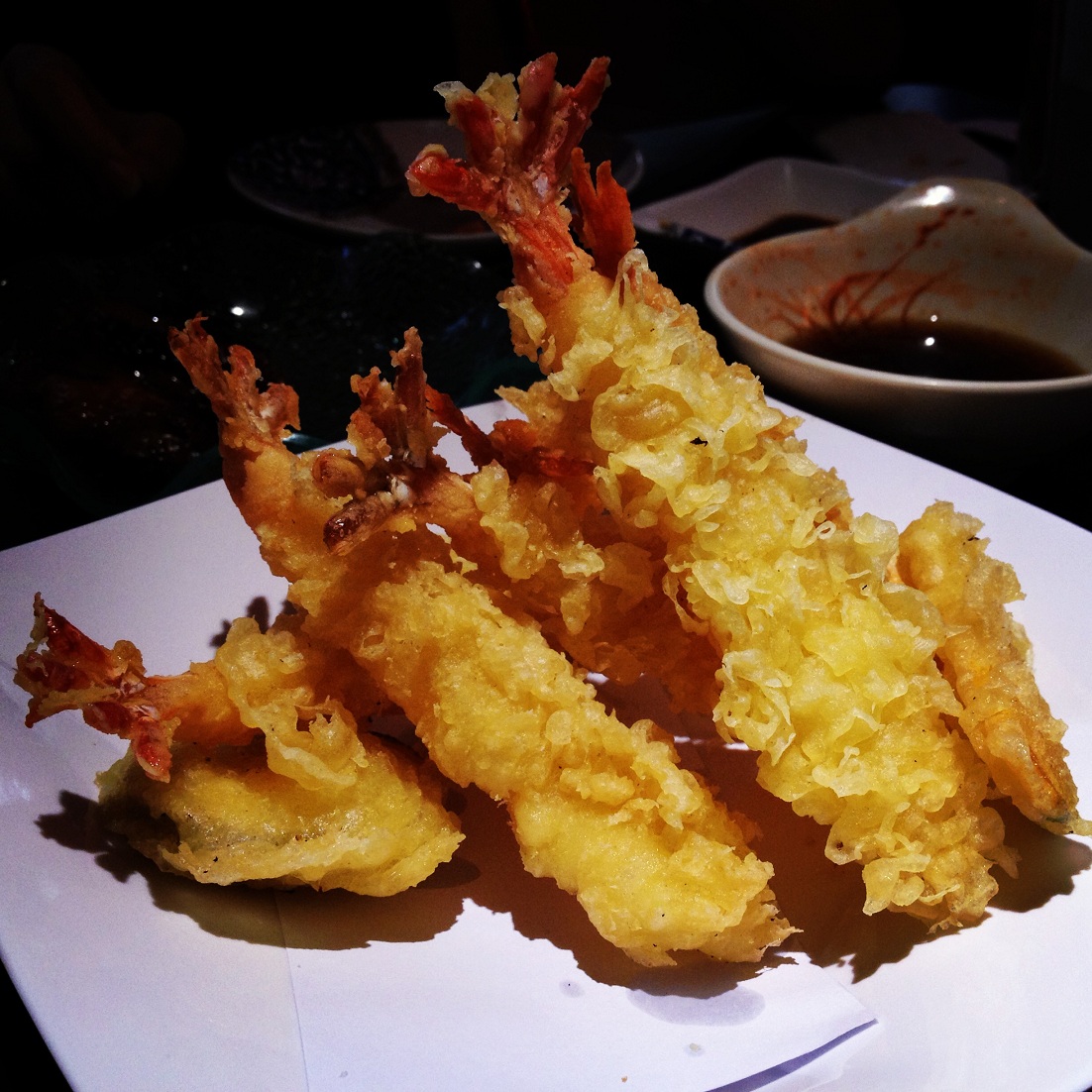
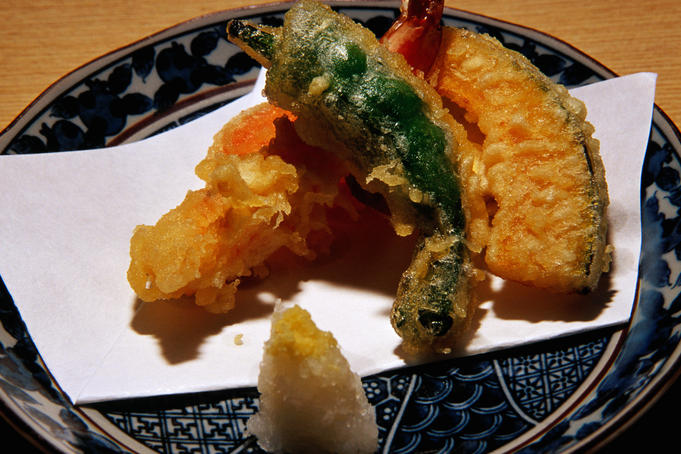
Common ingredients for tempura are prawns, seasonal fish, and vegetables. They are usually coated in a mixture of egg, water, and flour, and are deep-fried in vegetable oil.

3. Sashimi

Sashimi are thin slices of raw fish which are usually dipped in soy sauce.


Image Source: LonelyPlanet.com

4. Kaiseki Ryori 

This dish is regarded as Japan’s most exquisite culinary refinement. It consists mainly of vegetables and seasonal fish peppered with mushrooms and seaweeds, and is characterized by its refined flavor.

5. Shabu-shabu 

Shabu-shabu is Japanese hot pot. Tender, thin slices of beef are held in chopsticks, which are swished over a boiling pot of water, and then dipped in sauce before being eaten.


Image Source: RiceandDine.com

6. Soba and Udon  

Soba and udon are two kinds of Japanese noodles. Soba is made from buckwheat and udon is made from wheat flour. Both are served in a broth or dipped in sauce, and are garnished with prawns, tofu, fish, or vegetables.

Because of the distinctiveness of Japanese cuisine, it has gained fame and prevalence all over the world. And kitchen equipment distributors like JC Uni-tec and N.A. Sales Company Inc., are making it possible for homemakers to cook their very own Japanese dishes at home without hassle.

Know more about Japanese cuisine by visiting this Tumblr blog.

Sunday, January 13, 2013

REPOST: Yakitori (grilled chicken)

This Bento.com article talks about the yummy Japanese dish called Yakitori-ya.


Image Source: bento.com

Succulent pieces of skewered chicken, dipped in barbecue sauce, grilled to perfection over hot charcoal, then washed down with a cold beer - it's easy to see the appeal of yakitori after a hard day's work. Not surprisingly, yakitori-ya (yakitori restaurants and stands) are popular early-evening gathering places, typically filled with office workers stopping for snacks before the train ride home.

Yakitori-ya themselves are far from fancy; often they'll consist of just five or six stools pushed up against a counter, Clouds of aromatic smoke waft off the grill and into the street to lure hungry passersby. Even at the nicer places, the emphasis isn't on the decor; they're more interested in providing good food and a convivial, relaxed atmosphere in which to enjoy eating.

Yakitori-ya can often be recognized by small red lanterns out front, with the character for tori, or bird (鳥), or the syllabic spelling of 'yakitori' (やきとり). Another clue to finding a yakitori-ya is the clouds of fragrant smoke coming from the vent.

Many top-rate yakitori-ya advertise that they serve jidori-heirloom native breeds of chicken or hybrids with at least fifty percent of their DNA from native breeds. Jidori birds are usually local to a particular part of Japan (the term literally means "regional bird"), and they're generally raised in free-range conditions, so the meat is more flavorful and often chewier in texture than battery-raised chickens. The three most famous regional birds are Cochin from Nagoya, Satsuma-dori from Kyushu and Hinaidori from Akita. Shamo is a breed of game hen sometimes found on upscale yakitori menus, and other chicken alternatives might include quail, guinea fowl and duck, depending on the season.

Two other factors that set a yakitori-ya apart from its competitors are the ingredients in the tare (the sauce used to baste the chicken) and the quality of the charcoal used for grilling. Hard, aromatic charcoal from Wakayama Prefecture produces the best results, better than cheaper charcoals and far superior to gas or electric grills.

Yakitori Dishes

Although other foods are served, chicken is the mainstay of yakitori-ya. Morsels of chicken are either skewered by themselves or interspersed with negi (leek) or other vegetables. Other chicken dishes include chicken wings, tender white-meat chicken breast fillets (sasami), dark-meat chicken-leg chunks, chicken livers and other organs, ground-chicken meatballs (tsukune), and chicken skin. There are also other items, such as shiitake mushrooms, green peppers, ginkgo nuts, and quail eggs.

Yakitori-ya fare mostly comes on skewers, and it's customary to order at least two skewers of any particular item, although this varies by shop. Before it's grilled, the food is dipped into either a sweetish soy-based sauce (tare) or salt (shio) - sometimes you get a choice, but often one or the other is the specialty of the shop. You can also sprinkle your chicken with shichimi (a mixture of red pepper and six other spices). Invariably you'll find a handy receptacle on the counter where you can deposit your used skewers.

While the more down-to-earth shops and outdoor stands stick to the basics, more upscale yakitori-ya might also serve special dishes like grilled quail, duck and other game birds (with or without skewers), liver pate, egg dishes, and chicken sashimi and tataki (chicken served raw and semi-cooked). A note about raw chicken-while there are no guarantees in life, it might help to know that shops serving raw chicken typically source their meat from small farms that raise and process their birds in hygienic environments so their meat can be safely eaten raw.

Beer is the most common drink to go with yakitori; some shops also have wine and/or sake lists. After you've had enough chicken, chazuke (a soupy mixture of tea and rice) is a very filling way to top off the meal; another common option is yaki-onigiri (grilled rice balls).

Specialty yakitori-ya are a subset of izakaya, and many ordinary izakaya also serve some grilled chicken alongside a much wider menu. Some shops double up and serve both yakitori and yakiton (grilled pork on skewers).

TIP: The assortment platter may seem a convenient way to order, but check the contents first. Yakitori platters often include skewers of chicken skin and odd organ meats that might not be to everyone's liking. Tsukune (grilled ground-chicken patties) and momo (thigh meat) are usually safe choices, while tebasaki (wings) are difficult to get perfectly crispy - a good test of a top-level yakitori-ya.

JC Uni-tec is the premier provider of Japanese kitchen equipment in the United States. This Facebook page offers more information on Japanese cuisine.

Sunday, January 6, 2013

Cooking the Japanese way: Things to keep in mind


Japanese cuisine is characterized by simple dishes. This easy and austere approach to cooking is governed by the belief that products of the earth and sea should be utilized in a manner wherein natural forms and flavors are minimally altered, or not at all.

The Japanese also use fresh produce and incorporate simple cooking methods. While Japanese cooking itself is marked by simplicity, the presentation is nevertheless elaborate and meticulous. This is because they believe that good food should not only appeal to the taste buds, but also to the mind and the eye.

What are the important considerations when cooking Japanese food?


Image credit: ediblyasian.info


To begin with, Japanese cuisine consists of mix-and-match food items. It is often marked by contrasting flavors. For instance, a sharp tasting sunomono dish might be served with teriyaki, a broiled food with a sweet sauce. Or a crunchy tsukemono is paired with nebemono brimming with seafood and vegetables. While salt dominates other cuisines, soy sauce is the staple seasoning in Japanese cooking. Other ingredients include sake, ginger, Japanese mustard, mitsuba, and nori.


Image credit: bronmarshall.com


Another staple in Japanese cooking is rice. Rice is called goha in Japanese. For the modern Japanese, rice cookers are used to ensure that this vital part of the meal is perfectly cooked. Although rice is an important element, the Japanese also regard noodles as their main source of carbohydrates. Another mainstay in Japanese dining are soybean products, including miso, a soybean paste used in soup, and < i>tofu, a firm and custard-like substance made from soy.

Soup is also a must in cooking, and it is included every Japanese meal. Typically, soup or osumashi is served before the meal, and is delicately flavored but can be complemented with different garnishes.


Image credit: nytimes.com


Another characteristic of Japanese cuisine are the nabemono dishes. These dishes are composed of meat and vegetables in a pot. Typically, nebemono dishes are cooked in the table through a pot heated over a charcoal or gas burner.

JC Uni-tec is a premier distributor of Japanese kitchen equipment useful in creating meticulous and delicate Japanese dishes. Visit this site to get tips and insights on Japanese cooking and cuisine.

Tuesday, January 1, 2013

Traditional Japanese Food


This Buzzle.com article shares some information about one of the greatest cuisines in the world – traditional Japanese cuisines.


In a world of frozen meats, 'steely' tasting tinned food and dreary sandwiches, traditional Japanese food comes as a godsend to most of us. Elegant and refined, the Japanese cuisine is said to be one of the greatest cuisines in the world, and I won't disagree with that! 

Traditional Japanese food is undoubtedly one of the healthiest and most delicious in the world and fortunately for most of us, foods like tofu, sushi, tempura, miso, soba, and even green tea are now familiar and freely available to people outside Japan. As a national cuisine, Japanese food has greatly evolved over the past few centuries due to many social as well as political changes. Right from the ancient eras, wherein much of the traditional cuisine was largely influenced by the Korean and Chinese cultures, the Japanese cuisine gradually transformed with the onset of the Medieval period, which brought along with it new tastes and flavors.


With the advent of the Modern ages, massive changes took place and the Japanese cuisine would then be influenced greatly by the Western culture. However, the food of today is still very similar to what existed towards the end of the 19th century. This would mean that a large portion of the Japanese cuisine includes those foods whose cooking methods and ingredients have been introduced by other cultures, but which have since then been experimented with and developed by the Japanese themselves.

The thing is that you either will love it or you will downright despise it. With traditional food, there is no such thing as an in-between. However, chances are that if you hate the food, then you probably haven't even tasted authentic food or you simply haven't given yourself the chance to like it. Unlike other cuisines, the food is not something that you will appreciate after having only a bite. Like wines and cigars, the food is an acquired taste. And then there will be times when you will be predisposed to think that you are consuming raw food! But despite the apparent distastefulness of the situation, there is a reason why their food is considered to be the greatest. 

Eating Habits 

Even though rice consumptions in most Japanese households is said to be on the decline, rice is still considered to be the staple diet of the Japanese people. A steaming hot bowl of rice is included in most Japanese bowls and even the side dishes are served with rice! From rice cakes or 'mochi' to regular bowls of rice, the Japanese simply love their rice!


Apart from rice, most meals end with a round of green tea - exotic to the core! A traditional Japanese breakfast would include steamed rice, miso soup, and a variety of side dishes. And that's only their breakfast! Some of the more common side dishes are rolled omelet, grilled fish, pickles, salad, dried seaweed, and natto.

For lunch, the norm would be bowls of rice or noodles. From beef bowls to udon noodles and soba noodles, the Japanese also love their noodles! Sushi, tempura, and rice balls are traditional food items. Like in any other country, dinner is the main meal in Japan too. The variety of food available for a traditional dinner in Japan in simply astounding! From sushi to tempura and even other types of seafood, a typical Japanese dinner has it all. Apart from rice, seafood is also very popular in Japan. From clams and seaweed to fish and fish cakes, the Japanese seafood is unbeatable. Traditional Japanese ingredients used are soy sauce, miso, wasabi, ginger, mushrooms, beans, noodles, rice vinegar, and mirin.

Traditional Dishes

The Japanese are known for emphasizing on certain seasonal food while putting together a great combination of ingredients and presenting it with finesse. But along with the rich and fanciful fare, you also have the modest bowl of rice and the simplicity of the heritage Japanese country-style cooking. Okonomiyaki, Sashimi, Sushi, Tempura, Sukiyaki are all a few names of some of the staple food served in Japan. So, if you are looking forward to being experimentative and don't mind sampling grilled octopus or raw fish and eel, the food will not come as a disappointment to you.


Personally, I prefer Japanese cuisine to any other cuisine, though it can be a bit expensive. In terms of unique presentation and taste, there is no other cuisine that can match the traditional Japanese cuisine. Who would ever think that raw food could taste so amazing? For all of you who have not yet explored and discovered the pleasures of the traditional Japanese food, this article should help change your mind.

Source: http://www.buzzle.com/articles/traditional-food-of-japanese-people.html